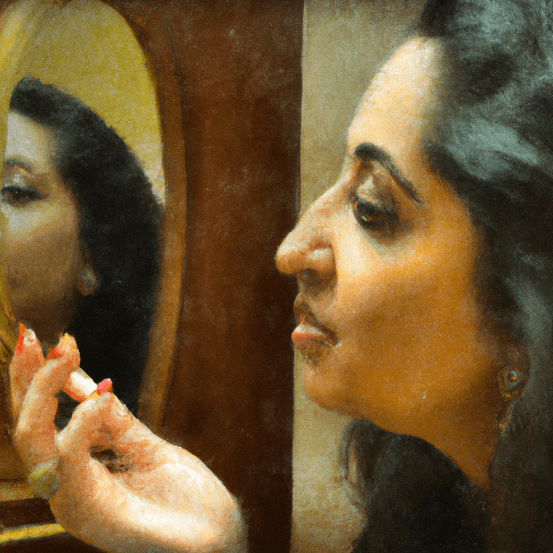
What do we mean when we use the word beauty? Is it truly just a subjective judgment that cannot be defined as a general term? I find this interesting because we develop a taste or a sense for beauty, and this can heavily be influenced by our surroundings. What I mean when I say surroundings is social media. In today’s situation where children are being born with a phone attached to their hand, I find it very hard to ignore this factor. Social media shapes our eyes, and this brings me to today’s question: Is beauty really inclusive?
Inclusivity is so important. As a Brown girl myself I would be ecstatic when I saw a character on TV that had the same skin tone as me or the same hair as me, I felt very possessive over that character because she was one of the very few that looked like me. I was so deeply hurt if you said you wanted to be Clawdeen Wolf or Orange Blossom for Halloween. It makes me very excited for kids today that I see other ethnicities being represented on screen. It is important that various voices are heard or negative stereotypes are broken and the online world is such a powerful tool for that today.

Even though there is progressing being made (slowly), the eurocentric/western beauty “standard” is so heavily engraved in our society. I really want to talk about have western beauty standards are infecting other cultures on a different blog, because that is a whole other and very interesting topic.
Thick Eyebrows. The once shamed and disgusting bushy eyebrows now go by the term “Soap Brows“. I find the switch up so funny, as soon as a white person glorifies something once people of color were mocked for it suddenly fits into the worlds definition of beauty. And this goes for so many other examples.
I must say the western beauty system is very cleverly designed to keep other various ethnicities satisfied yet never feel fully included. There is always some minor nuance segregating us from the beauty standard. Whether that’s our hair, our nose, our skin the list goes on. This unconscious not being included is why it is a topic barely spoken about.
We need to stop trying to squeeze our bodies and faces into these standards, that were created without even considering us. We should stop pushing ourselves to change our bodies and faces character by fitting into a narrative that was clearly not made for us. . This isn’t a critique of those choosing to alter their appearance; instead, it’s a call for embracing our individuality without feeling compelled to fit into molds never meant for us.
I know it can be hard to resist the pressure to conform to standards that were not created with everyone in mind. But embracing one’s unique features and reframing the narrative around beauty can lead to a more inclusive and empowering definition. It’s time to challenge the established norms and celebrate diversity, acknowledging that true beauty lies in the acceptance and appreciation of the richness found in every individual’s uniqueness.

 purelyglow
Leave a comment